
_%253C-%253E1708724263995_9Y10OskXA8FdggLg.jpeg&w=3840&q=75)
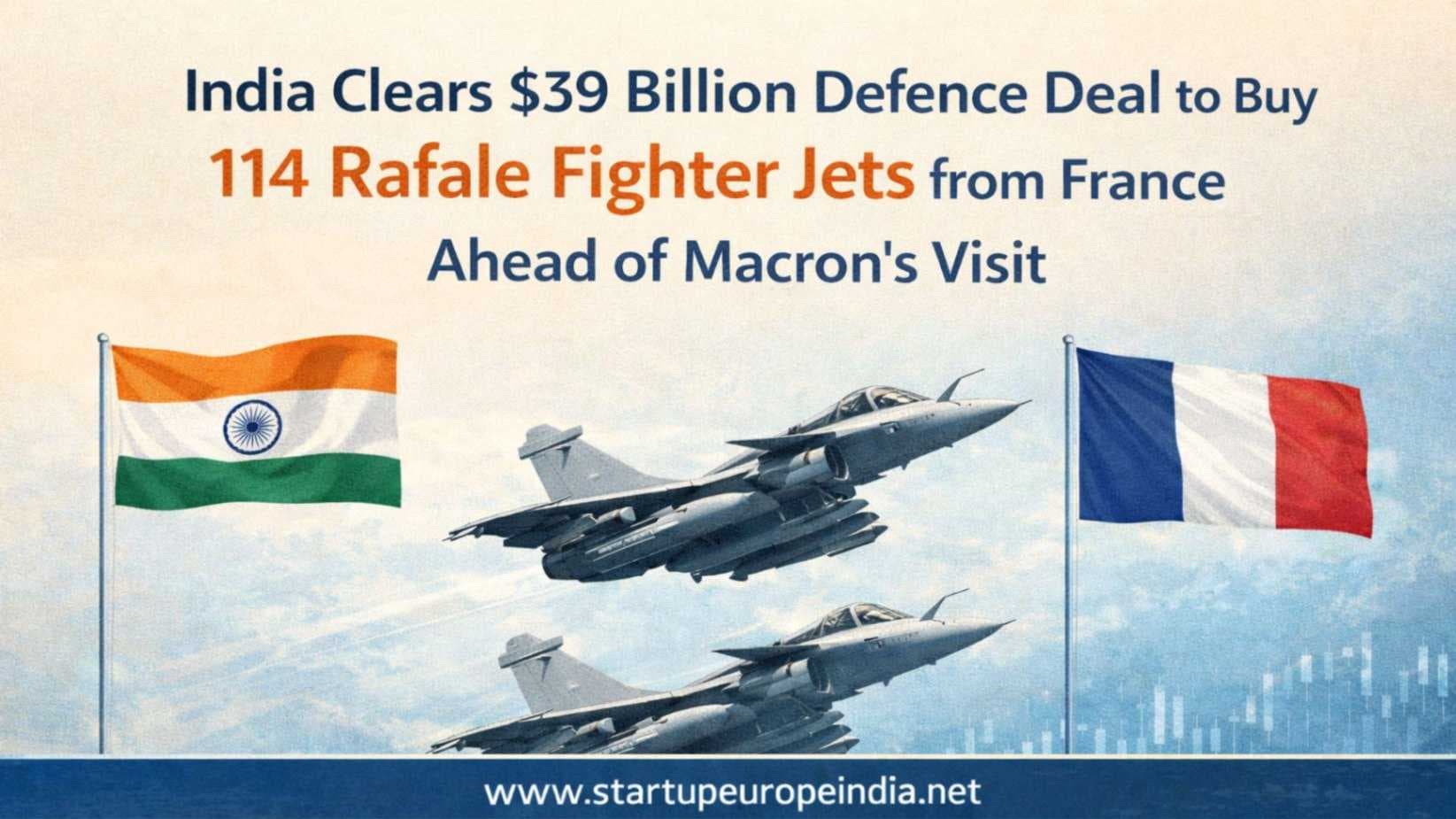
India’s Defence Acquisition Council (DAC) has given the nod to a mega defence modernisation package worth roughly ₹3.25 lakh crore (about $39 billion) that includes the procurement of 114 Dassault Rafale multirole fighter jets from France one of the country’s largest defence acquisitions in years. The move comes just days before French President Emmanuel Macron’s scheduled official visit to New Delhi, signalling deepening strategic cooperation between the two nations.
The clearance from the DAC chaired by Defence Minister Rajnath Singh paves the way for the proposed Rafale deal to now progress through commercial negotiations and final approval by the Cabinet Committee on Security. Under the plan, an initial batch of jets will be delivered in fly-away condition, while the majority of the fleet approximately 90 of the 114 aircraft is expected to be assembled and manufactured in India with significant indigenous content, aligning with the government’s Atmanirbhar Bharat (self-reliant India) initiative.
The proposal is part of a broader defence procurement programme that also includes additional platforms such as P-8I maritime patrol aircraft for the Indian Navy, reflecting a comprehensive push to modernise capability across air and sea domains. India’s Air Force, which has faced a long-standing squadron shortfall, anticipates that the new Rafale jets will bolster its combat edge, including air-dominance, precision strike and reconnaissance missions.
The timing of the DAC’s approval shortly before Macron’s visit scheduled around key diplomatic engagements highlights the strategic importance of Franco-Indian defence ties. In parallel, French defence manufacturer Safran has expressed preparedness to establish engine production and assembly lines in India, potentially deepening industrial cooperation and transfer of aerospace capabilities to Indian suppliers.
Local production is expected to involve partnerships with Indian aerospace firms, including Tata Advanced Systems and other private sector players, providing a boost to India’s domestic defence industrial base and wider ecosystem. These collaborations fit within the government’s wider vision of expanding high-tech manufacturing and boosting employment in the aerospace and defence sectors.
From a geostrategic perspective, the proposed Rafale acquisition enhances India’s deterrence and rapid response capabilities amid evolving security dynamics in the Indo-Pacific region. By deepening defence partnerships with European allies such as France and coupling them with major acquisitions, India is strengthening its multi-vector security posture that spans air, sea and land domains.
India’s Rafale deal underlines the growing strategic and industrial convergence between Europe and India extending beyond trade into defence collaboration, technology partnerships and advanced manufacturing ecosystems. As agreements unlock in-country production, aerospace supply chains and co-development opportunities, startups and scale-ups on both sides can tap into emerging innovation corridors in aerospace tech, defence electronics, avionics, digital simulation, cybersecurity and advanced materials.
--
Join SEINET — the digital partnership infrastructure for tech businesses and leaders in EU-UK and India.
Start with a verified community, and unlock access to the exclusive Leaders Network for qualified founders and decision-makers. Build trusted partnerships and collaborate efficiently across markets www.startupeuropeindia.net